Indirect vs Direct Cook: Understanding Slow Cook and Direct Cook on the Grill
 by
Baren maulana
by
Baren maulana  March 02, 2026
When it comes to mastering the grill, understanding indirect vs direct cook is essential. Whether you're preparing a thick steak, a tri-tip roast, or slow-cooking ribs, choosing between direct cook and indirect cook can dramatically affect flavor, texture, and overall results. Both techniques play a critical role in outdoor cooking, especially when using charcoal or wood-fired grills. Let’s break down how each method works—and when to use them.
What Is Direct Cook?
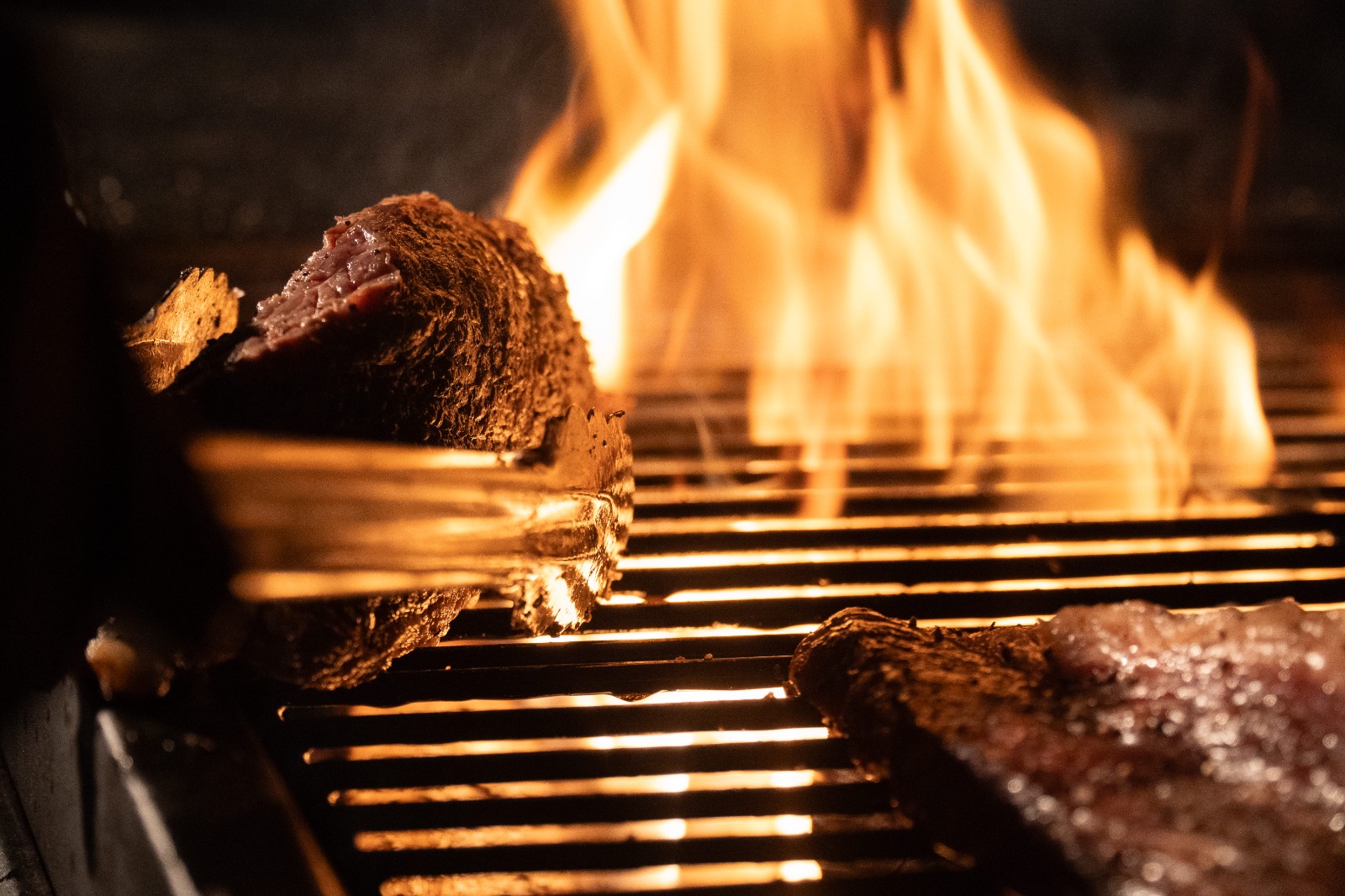
Direct cook (or direct grilling) means placing food directly over the heat source—whether charcoal, gas flame, or wood fire.
Characteristics of Direct Cook:
High heat
Fast cooking time
Ideal for thinner cuts
Creates strong sear marks
Promotes Maillard reaction (caramelization)
High heat
Fast cooking time
Ideal for thinner cuts
Creates strong sear marks
Promotes Maillard reaction (caramelization)
As illustrated in the reference article, steaks cooked directly over hot coals develop beautiful grill marks and char.
Best For:
Ribeye steaks
Striploin
Burgers
Chicken breasts
Seafood fillets
Direct cook is perfect when you want that signature crust and smoky char quickly.
What Is Indirect Cook?
Indirect cook means cooking food away from the direct flame. The heat source is positioned to the side, and the food cooks using circulating heat inside the grill.
This method is often associated with slow cook techniques because it uses lower temperatures for longer periods.
Characteristics of Indirect Cook:
Medium to low heat (around 225–300°F)
Even cooking
Less risk of burning
Allows smoke infusion
Ideal for thicker cuts
indirect cooking is excellent for larger cuts like tri-tip roast because it prevents burning while allowing wood smoke to enhance flavor.
Best For:
Brisket
Tri-tip
Whole chicken
Ribs
Pork shoulder
Indirect cook is essentially controlled slow cooking on a grill.
Indirect vs Direct Cook: What’s the Real Difference?
Here’s a clear comparison:
Combining Both: The Reverse Sear Method
Many professional grillers combine both techniques.
For example:
Start with indirect cook to slowly bring internal temperature up.
Finish with direct cook to create crust.
This method gives you:
Even doneness inside
Perfect char outside
It’s commonly used for thick steaks and premium cuts, including dry aged steaks. If you're interested in understanding how aging affects grilling results, you can also read: Dry Aged vs Wet Aged Steak
Slow Cook on the Grill: Why It Matters
The beauty of using indirect heat for slow cook techniques is flavor development.
When cooking with charcoal or wood:
Smoke penetrates gradually
Collagen breaks down slowly
Meat becomes tender without drying out
This is why BBQ enthusiasts swear by low and slow grilling methods.
Professional Grilling with Grillz by Meatguy
Understanding indirect vs direct cook is one thing. Executing it perfectly requires:
Temperature control
Fire management
Timing precision
Proper cut selection
That’s where Grillz by Meatguy comes in.
As a premium BBQ home service, Grillz combines:
Expert-level direct cook techniques for perfect char
Controlled indirect cook methods for slow-cooked tenderness
High-quality meat selection
Professional grill setup at your location
If you’re planning a private event, corporate gathering, or special celebration and want restaurant-quality grill experience at home: Reserve Grillz via WhatsApp