Wagyu Tallow: The Premium Fat That Elevates Flavor
 by
Baren maulana
by
Baren maulana  February 10, 2026
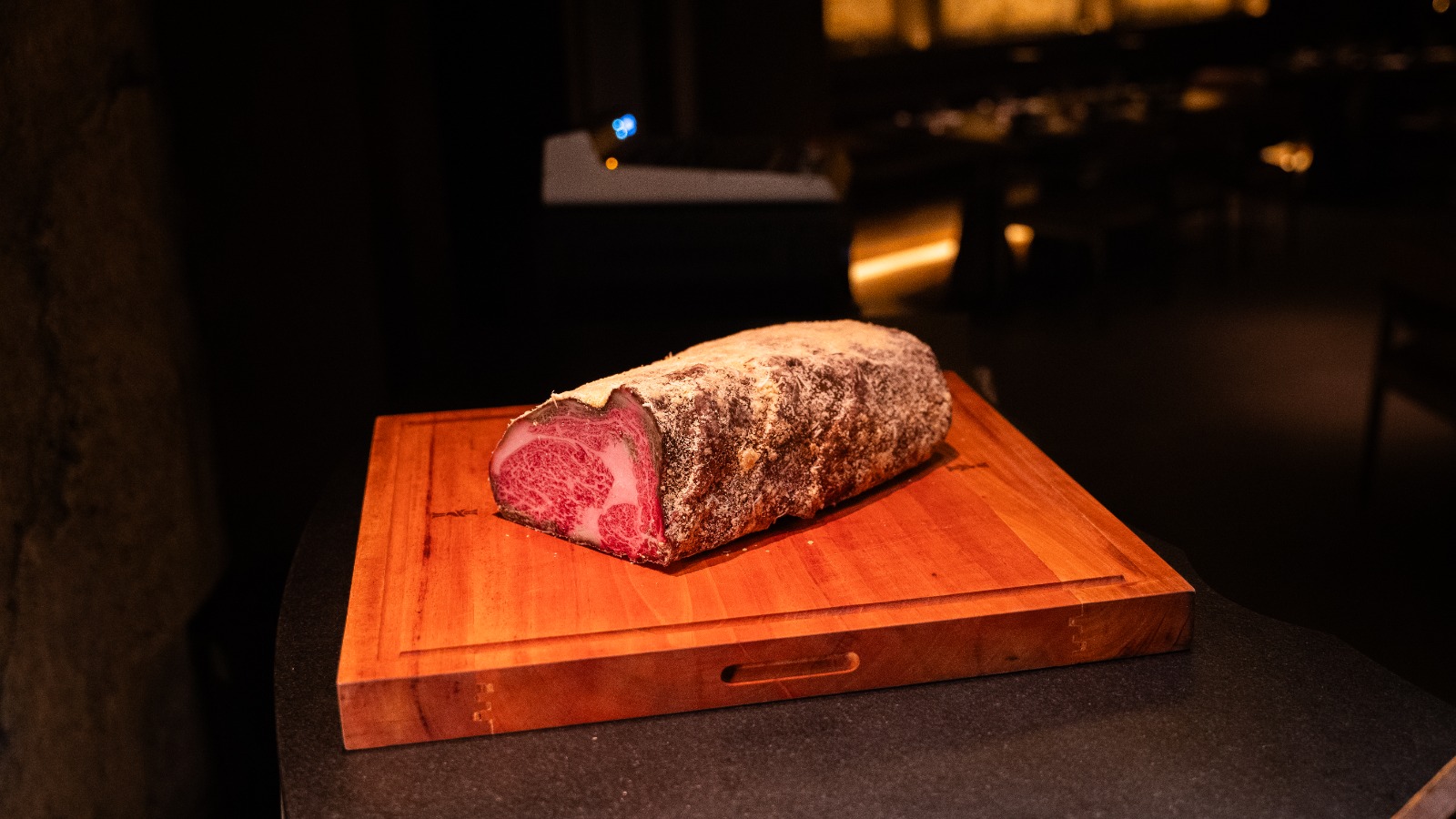
In the world of meat-focused cuisine, fat is no longer seen as a mere byproduct—it is a critical element that defines flavor, texture, and aroma. One type of fat that has gained increasing attention in professional kitchens is wagyu tallow. Rendered from high-quality wagyu beef fat, wagyu tallow is prized for its clean taste, natural umami, and ability to enhance dishes without overpowering them.
What Is Wagyu Tallow?
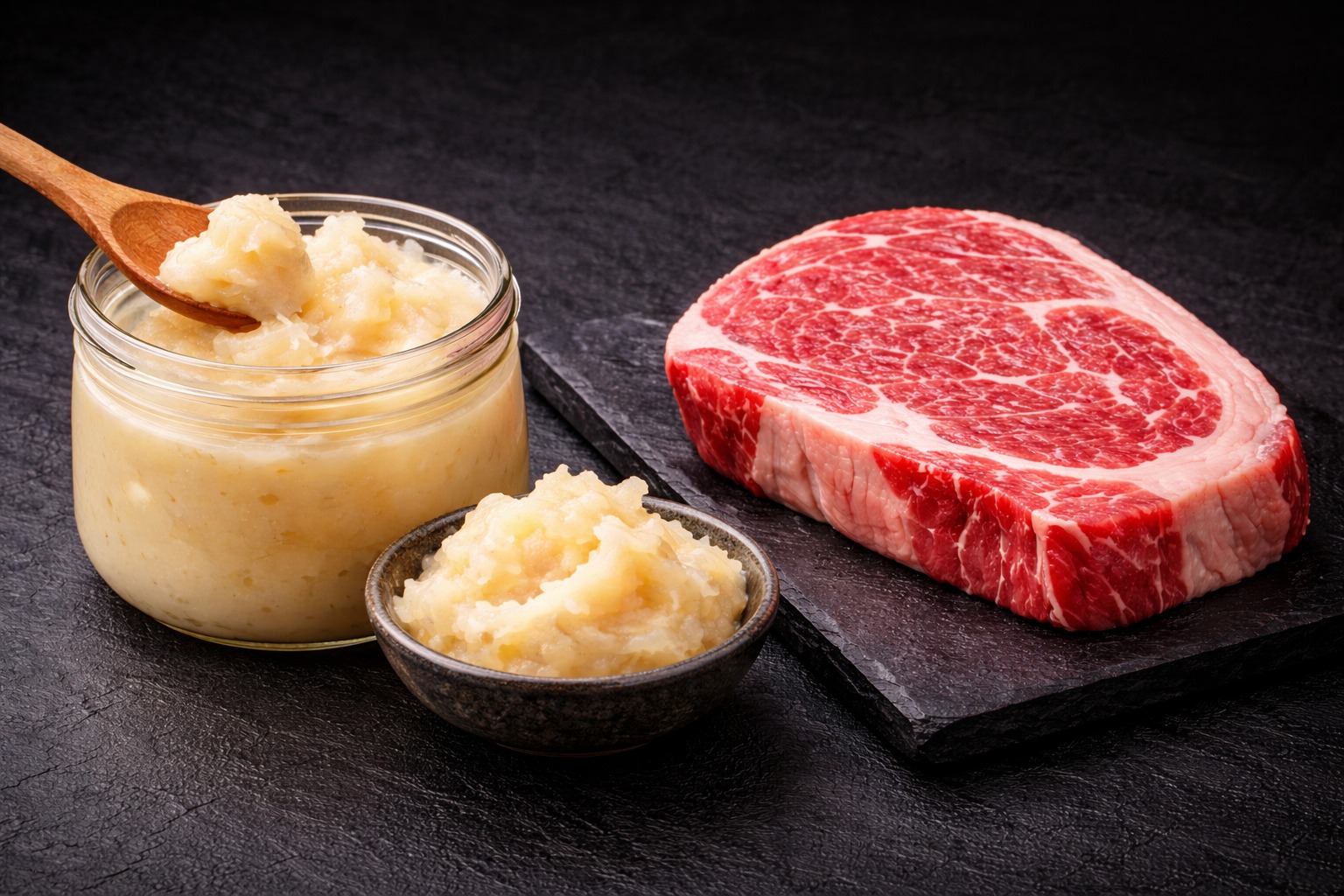
Wagyu tallow is produced by slowly rendering wagyu beef fat at low temperatures until it melts into a clear, golden liquid. This process separates pure fat from connective tissue, resulting in a refined cooking fat with exceptional flavor depth.
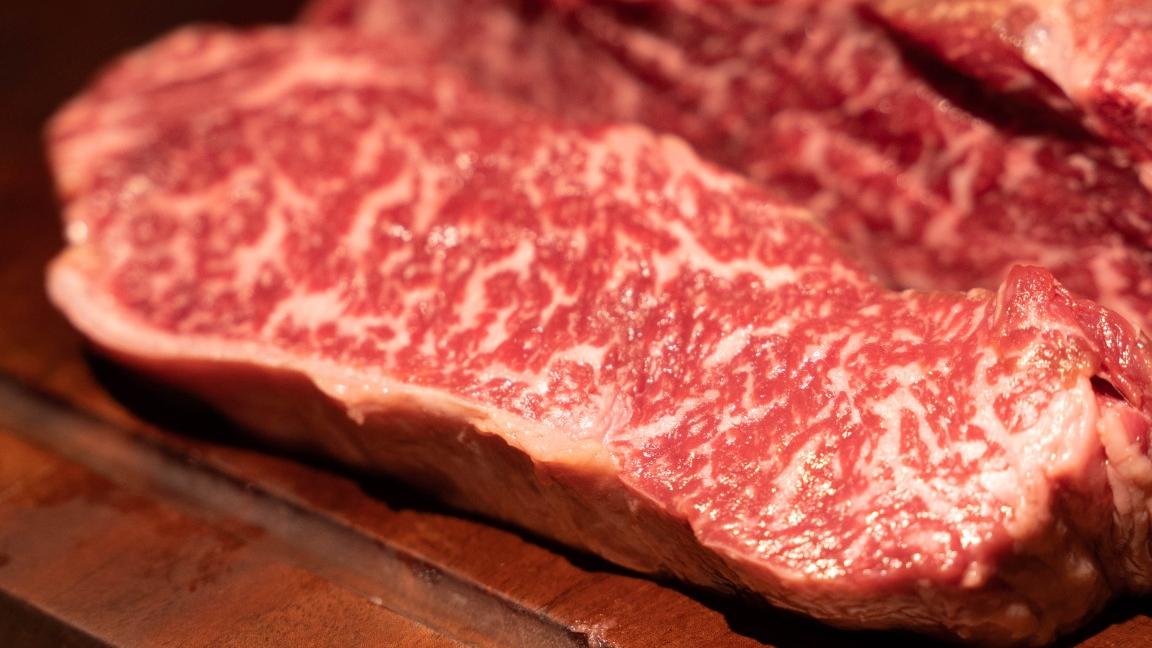
Because it comes from wagyu cattle—known for their superior marbling—wagyu tallow carries a richer and more nuanced character than standard beef tallow.
Read Also : Kobe Wagyu, Daging Sapi Jepang Paling Diminati di Dunia!
How Wagyu Tallow Differs from Regular Beef Fat
Not all animal fats behave the same way. Wagyu fat has a finer structure and a higher concentration of intramuscular fat. When rendered, this creates a tallow that:
feels smoother on the palate
delivers a cleaner, more elegant aroma
melts more evenly during cooking
This is why wagyu tallow is often used in steakhouse kitchens and fine dining, not as a primary flavor, but as a flavor foundation.
The Rendering Process
High-quality wagyu tallow is produced using a slow-rendering technique, where fat is heated gently over time. This preserves the natural aroma and prevents bitterness caused by excessive heat.
The philosophy behind this process mirrors slow cooking itself: patience allows flavors to develop fully, producing a more refined result.
Benefits of Using Wagyu Tallow in Cooking
Wagyu tallow offers several advantages in both Western and Asian cuisines:
Natural umami enhancement without artificial seasonings
Clean, subtle aroma that does not overpower other ingredients
High heat stability, suitable for sautéing and long cooking
Improved juiciness, especially in meat-based dishes
Rather than masking flavors, wagyu tallow acts as a carrier that brings ingredients together harmoniously.
Wagyu Tallow in Traditional Cuisine
While often associated with steak and grilling, wagyu tallow works exceptionally well in traditional dishes. In spice-heavy cooking, fat plays a crucial role in binding flavors and helping aromatics bloom.
Wagyu tallow allows spices and herbs to integrate more smoothly, creating depth without heaviness—an important balance in slow-cooked dishes.
Why Wagyu Tallow Works So Well in Rendang
Rendang is a dish built on time, spice, and fat. The cooking process is long, and fat becomes the medium through which flavors develop and penetrate the meat.
Using wagyu tallow in rendang adds:
deeper savory notes
a rounder mouthfeel
enhanced beef flavor without greasiness
This is why wagyu tallow is an ideal choice for elevating a traditional dish while still respecting its original character. Rendang prepared with this approach highlights how premium fat can enhance complexity without overpowering the spices—an example of this application can be found in Rendang Bang Dims, which uses wagyu tallow as part of its cooking process to achieve a rich yet balanced flavor profile.